
The sustainable last mile
If there’s one hot topic in transportation this year, it’s last-mile delivery. Seriously. A new Logisfashion report, which had input from over 500 pros in the industry, shows that 58% of them think it’s the biggest logistics issue for 2026—yep, even more than international logistics.
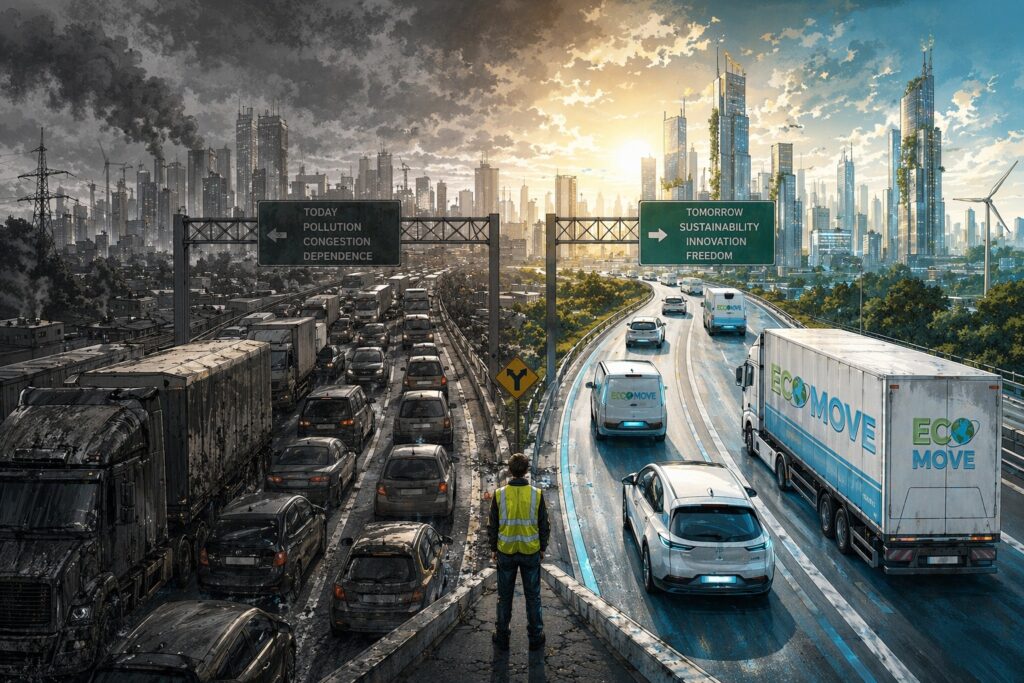
What’s really eye-opening isn’t just the number — it’s what’s behind it. Pros aren’t only focused on speed or cost anymore. So, 33% think the main hurdle is making deliveries more sustainable while still keeping profits up. Like, both at once. That’s pretty much been the puzzle we’ve been figuring out at EcoMove for years.
Yet another prominent challenge involves the entire regulatory landscape. The Sustainable Mobility Law, enacted way back in December 2025, strongly advocates for digital procedures, better urban distribution synchronicity among municipalities, and the significant reduction of delivery fleets’ carbon emissions. Frankly, we view this not as a burden—EcoMove actually believes this reinforces our pre-existing practices.
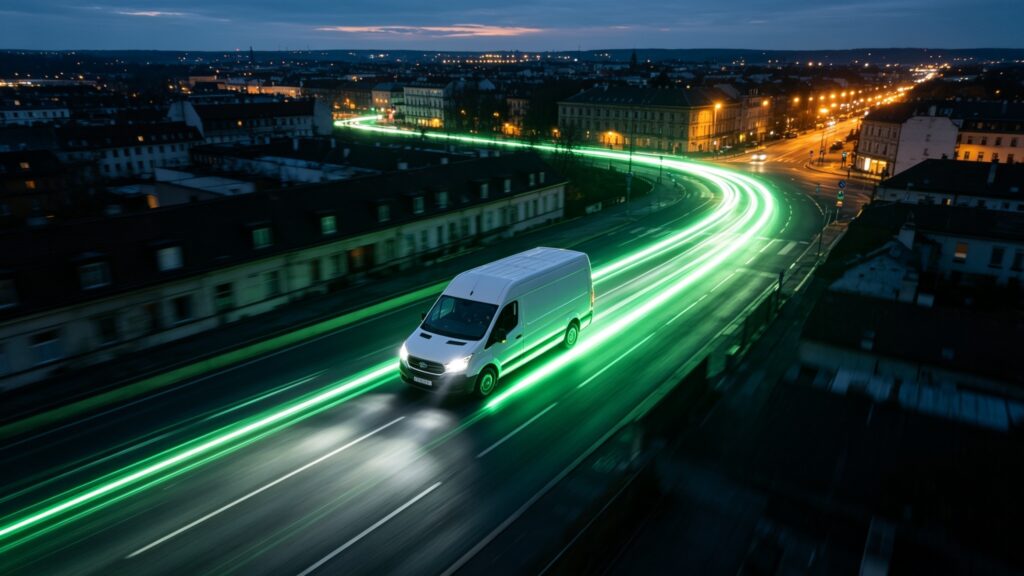
HOW WE DO IT AT ECOMOVE:
- A hundred percent electric or low emission fleet will operate in Low Emission Zones restriction free.
- Empty kilometers reduce route optimization using real-time data.
- Carbon footprint reports per shipment aids your clients’ sustainability reports.
- Sustainable reverse logistics makes returns managed with efficiency same as the original shipment.
2026 marks no ultimate destination for sustainable logistics but rather a critical juncture, the turning point where businesses failing to adjust commence their market decline. EcoMove, however, relentlessly progresses.